
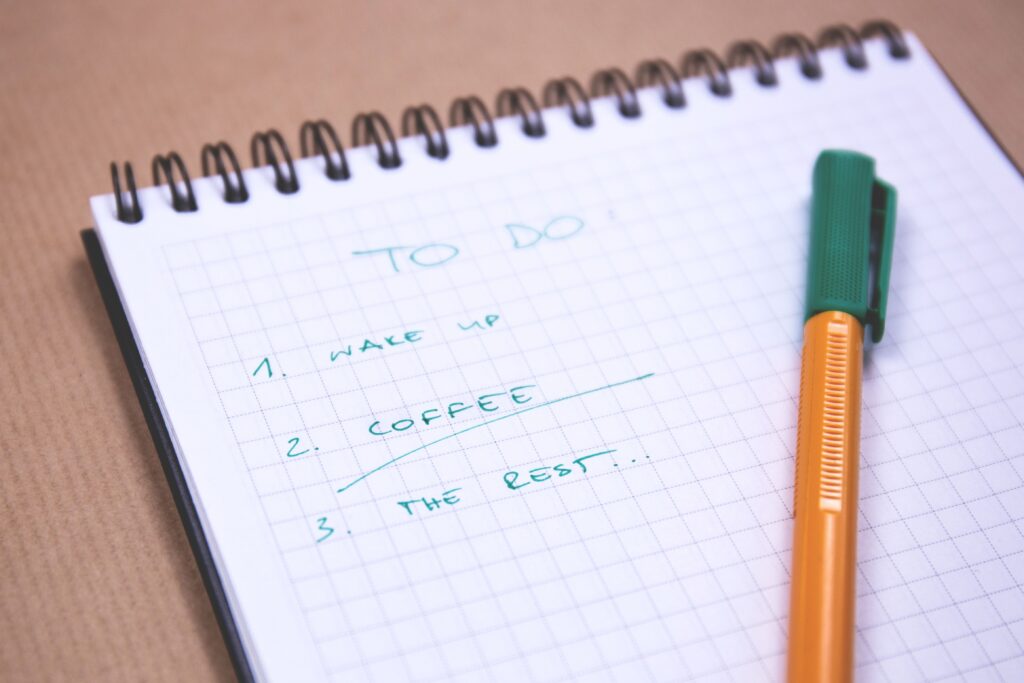
I watch this pattern constantly. Sometimes it starts as a decision, someone deciding the problem is too much structure and what they actually need is room to breathe. More often it isn’t a decision at all. It’s exhaustion, or stress, or something heavier, and structure is simply the first thing to go when a person starts running on whatever they feel like doing in the moment instead of what the moment actually calls for. Either way it looks the same from the outside. No fixed wake time. No plan carved into the evening before the evening has even arrived. A week built to take whatever shape it wants instead of the one a calendar already decided.
A patient of mine tried exactly this, reaching for ease without ever addressing the exhaustion that put her there in the first place. Three weeks in she came back different. Not calmer, the way she expected, but scattered, unable to hold focus on one thing at a time, running late to things that used to come naturally to her, moving through her days at a hurried pace despite having nowhere in particular she needed to be. The openness she had been chasing had turned into something closer to static. This is what happens when ease and structure get treated like enemies, which is how almost everyone I talk to about this treats them. Ease stands for possibility. Structure stands for confinement. I have never once seen it hold up that way in practice.
There’s a specific tell I’ve learned to watch for in session. Someone starts a sentence three or four different ways before finishing it. Not because the thought is complicated. Because there’s nothing left in the tank to commit to one version of it. That’s decision fatigue showing up in real time, and it has nothing to do with willpower. The mind spends the same kind of energy choosing a sentence that it spends choosing what to eat for breakfast, and if breakfast, the commute, and forty emails have already taken their cut, there isn’t much left for the sentence, let alone whatever the session was actually about. Structure works by removing the decision entirely. A wake time that never gets renegotiated isn’t a choice made well, it’s a choice that stopped being made. Tuesday morning doesn’t decide when to start work, because Tuesday morning already knows, the same way it already knows to breathe. That’s the actual function of a routine, not making better decisions but running out of decisions to make about the parts of the day that never should have needed one in the first place. Whatever’s showing up in that unfinished sentence gets to keep more of what it needs.
That’s what the energy is actually for, not just having more of it, but having enough left, at the right hour, to be fully present for whatever you’d say matters most. Most people never get there, and don’t notice they haven’t. I’ve had this exact conversation with three different people this month, all of them insisting family comes first, none of them able to tell me the last time they’d had an uninterrupted hour with the people they meant. It isn’t dishonesty. It’s a value that never got defended against everything else competing for the same hour, and eventually it stops feeling like something they believe and starts feeling like something they used to believe.
The instinct, once someone actually buys the idea that structure helps, is to build the whole cathedral at once. Color-coded calendar, five-step morning routine, an app that tracks the app. I give it two weeks, tops, before the whole thing collapses under its own weight, and I mean that as a genuine prediction, not a criticism. Nobody’s life can hold a cathedral. It can hold three or four load-bearing walls.
Pick the walls first. One waking time, the same one every day, weekends included, however unwelcome that sounds. One closing ritual for work, even something as small as writing tomorrow’s first task down before shutting the laptop. One block that’s been losing the fight against everything else for months, a workout, a call with a parent, the one project nobody’s making you finish but you. That’s three walls. The rest of the house can stay unfinished for a while.
Check on the house once a week, ten minutes, Sunday evening usually works. Not asking whether the week was productive. Asking whether it felt like a week that belonged to you. Skip that question long enough and structure turns into the very cage people were trying to avoid in the first place, just a newer one, with better branding.
For the people who actually keep asking that question, something different happens a few months in. Most tell me the same thing, slightly surprised by their own report. Fridays feel different. There’s something left over, enough for whatever the week didn’t plan for. Not because the week got easier. Because Monday already spent the energy that used to get spent all week long, one decision at a time, on things that never should have cost anything in the first place.